
Embracing Sustainable Future with Precast Concrete Construction
In the quest for sustainable development, the adoption of prefabricated concrete construction stands as a beacon of progress, offering a multitude of environmental and structural advantages. Let’s explore the compelling reasons why prefabricated concrete construction is the cornerstone of a sustainable future.
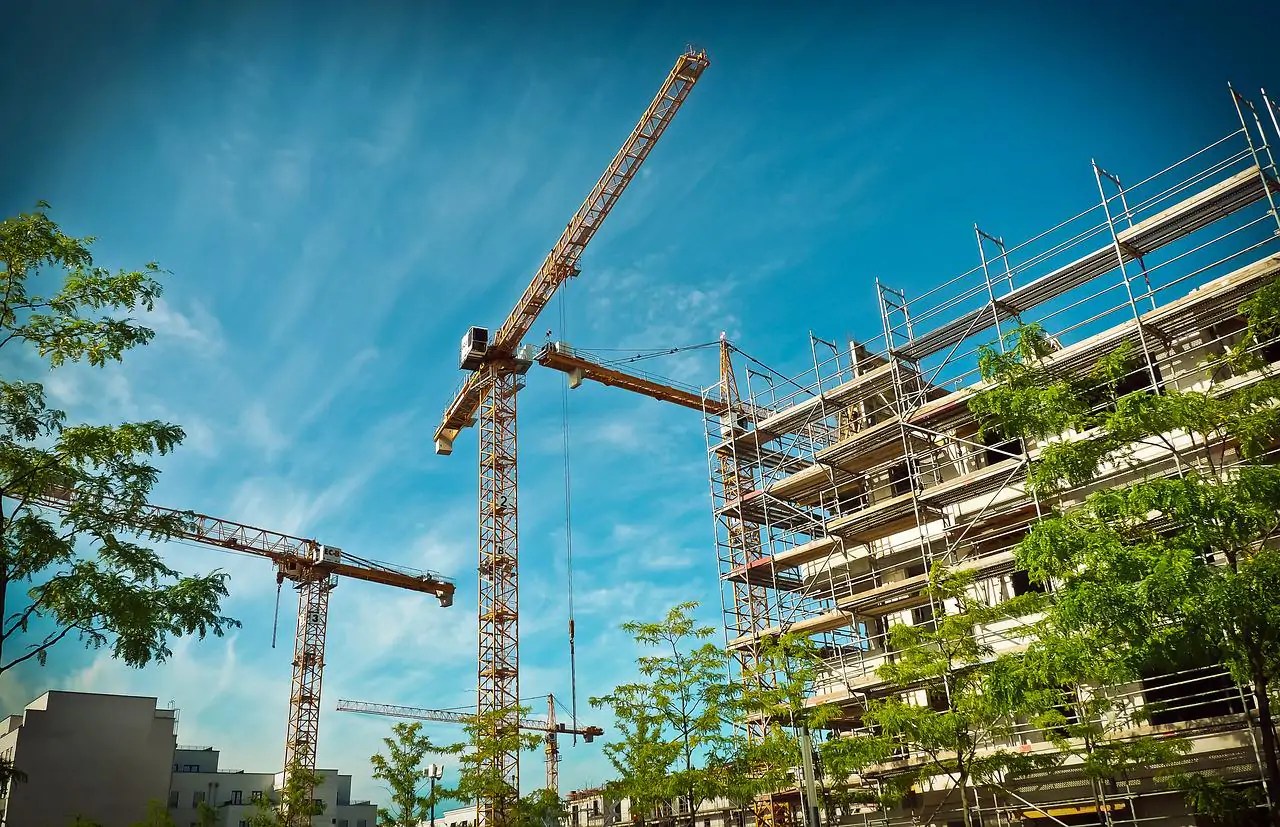
1. Reduced Carbon Footprint and Energy Consumption:
Precast concrete construction significantly reduces the carbon footprint and energy consumption compared to conventional on-site pouring. With a remarkable decrease of 60.18 kg CO2/m2, equivalent to 11.6%, and an 8.12% reduction in electricity consumption, this approach optimizes material resources and construction methods, aligning with sustainable building practices.
2. Potential for Further Emissions Reduction:
As prefabricated construction becomes more widespread and the density of production facilities increases, we anticipate an additional 14.3% reduction in carbon emissions. This upward trend in emissions reduction underscores the ongoing commitment to environmental responsibility and sustainable development.
3. 100% Recyclability:
The sustainability of precast concrete extends beyond its lifespan. After completing its service life, these components are fully recyclable. Metal components are melted down for reuse, while concrete is crushed, washed, and repurposed as aggregate, promoting a circular economy and minimizing waste.
4. Enhanced Durability and Maintenance-Free Lifespan:
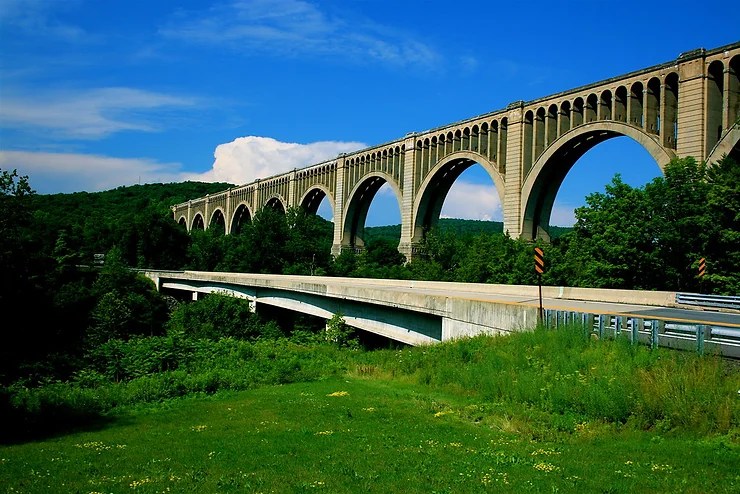
Precast concrete components offer superior fire resistance and a maintenance-free lifespan of at least 50 years, doubling the typical 25-year design lifespan of wooden structures. This longevity not only reduces the need for frequent maintenance but also minimizes material consumption over time, contributing to sustainable resource management.
5. Enhanced Resilience to Natural Forces:
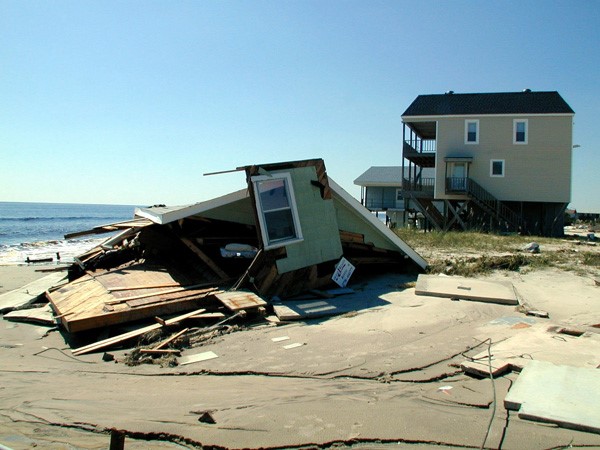
In regions prone to hurricanes and high winds, prefabricated concrete structures offer superior wind resistance, mitigating the potential for damage and reducing the need for costly repairs or reconstruction. This resilience contributes to a more sustainable built environment by minimizing material waste and resource consumption.
6. Labor Efficiency and Adaptability:
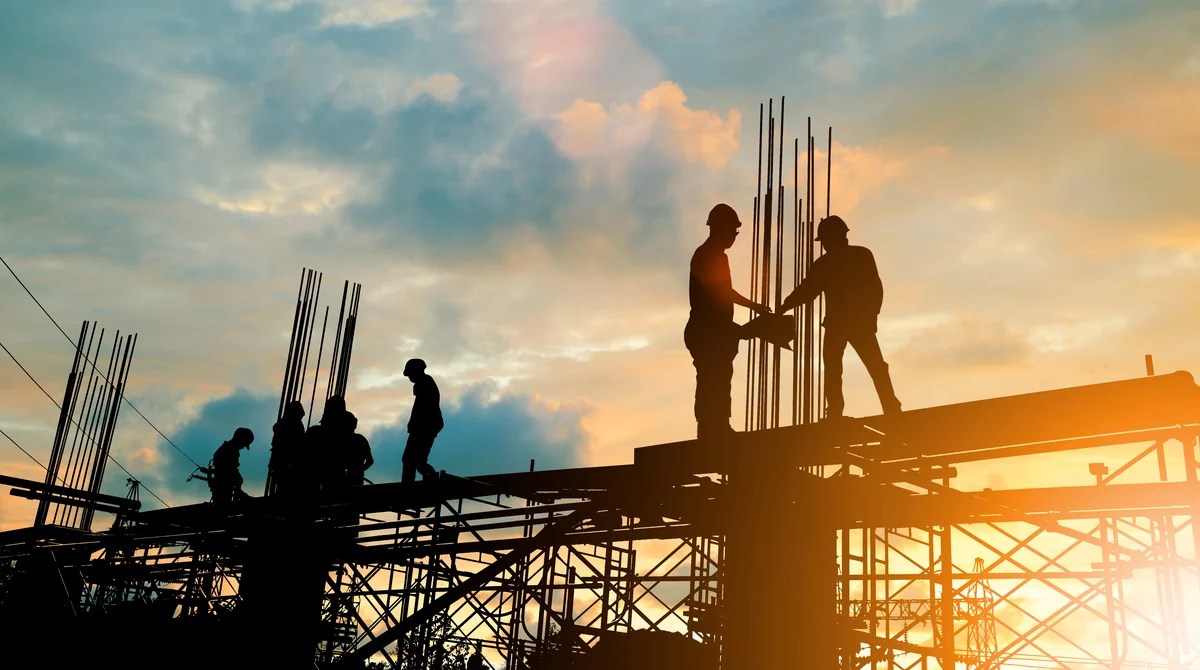
As demographic shifts lead to an aging workforce, prefabricated construction reduces the complexity of on-site assembly, decreasing the demand for labor and streamlining construction processes. This adaptability aligns with the evolving needs of the workforce and promotes sustainable construction practices.
7. Stringent Quality Control and Waste Reduction:
Prefabricated construction allows for superior quality control, minimizing waste generated due to non-compliant materials. This emphasis on precision and quality assurance not only reduces environmental impact but also ensures efficient resource utilization.
In conclusion, prefabricated concrete construction stands as a testament to sustainable development, offering reduced carbon emissions, enhanced durability, recyclability, and labor efficiency. By embracing this innovative approach, we pave the way for a sustainable future, where construction practices prioritize environmental responsibility and long-term viability. Together, let’s build a future that harmonizes with nature and ensures a legacy of sustainable development for generations to come.
 Pre-cast Concrete Slab-3rd Bureau Construction